



























Surge Protectors vs Extension Boards: A Complete Guide
Heavy Duty Copper Extension Board Manufacturer in India with Pure Copper Wiring and Premium Electrical Components
Understanding Surge Protectors
What are Extension Boards?
Key Differences Between Surge Protectors and Extension Boards
Best Practices for Safely Using Surge Protectors and Extension Boards
Surge Protectors vs Extension Boards: A Complete Guide
Understanding Surge Protectors
In today’s modern homes, offices, shops, and workplaces, electrical devices have become an essential part of everyday life. Computers, televisions, refrigerators, printers, chargers, networking equipment, home appliances, and other electronic devices all depend on a stable electrical supply. However, electrical power is not always perfectly consistent. Sudden voltage spikes, electrical surges, and fluctuations can damage sensitive electronic components.
This is where surge protectors and extension boards become useful. Although these products may look similar, they perform different functions. An ordinary extension board primarily provides additional electrical outlets, while a surge protector is designed to help protect connected equipment from certain sudden increases in voltage.
Understanding the difference between these two products can help you choose the right solution for your home, office, workshop, or commercial environment.
What Is a Surge Protector?
A surge protector is an electrical device designed to help protect connected appliances and electronic equipment from short-duration increases in electrical voltage, commonly known as voltage surges.
A surge can occur for several reasons, including lightning activity, switching of large electrical loads, or changes in the electrical distribution system. Even a short voltage spike can potentially affect sensitive electronic components.
A surge protector generally works by diverting excess voltage away from connected equipment when the voltage rises above a particular level. Many surge protection devices use components such as Metal Oxide Varistors (MOVs) to absorb or redirect excessive transient voltage.
However, it is important to understand that surge protection has limitations. A plug-in surge protector should not be considered complete protection against every type of electrical problem, particularly a direct lightning strike or prolonged overvoltage condition.
What Is an Extension Board?
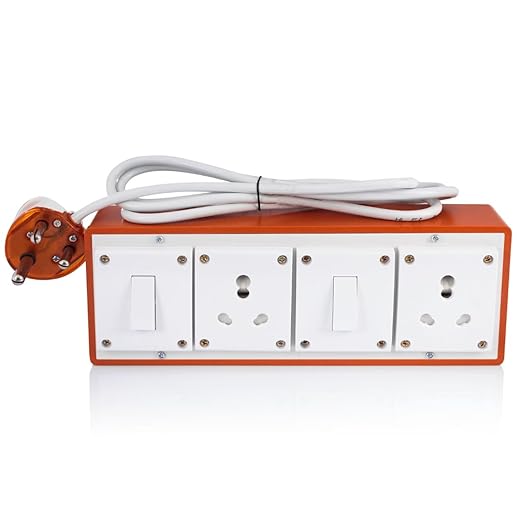
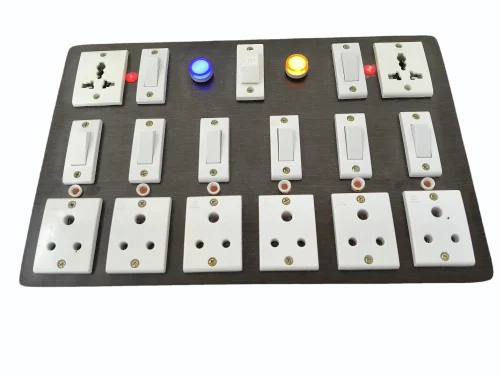
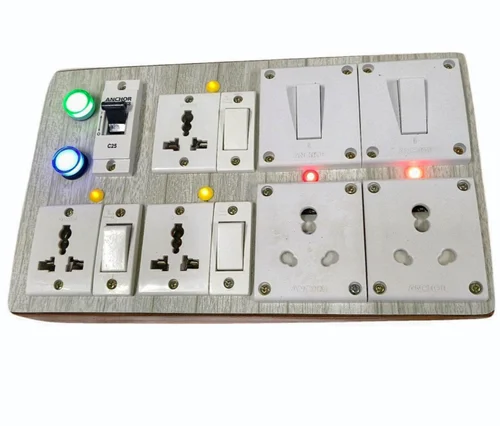
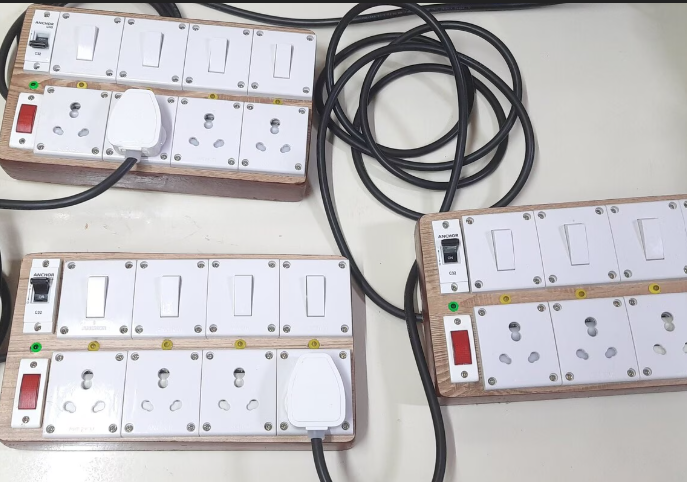
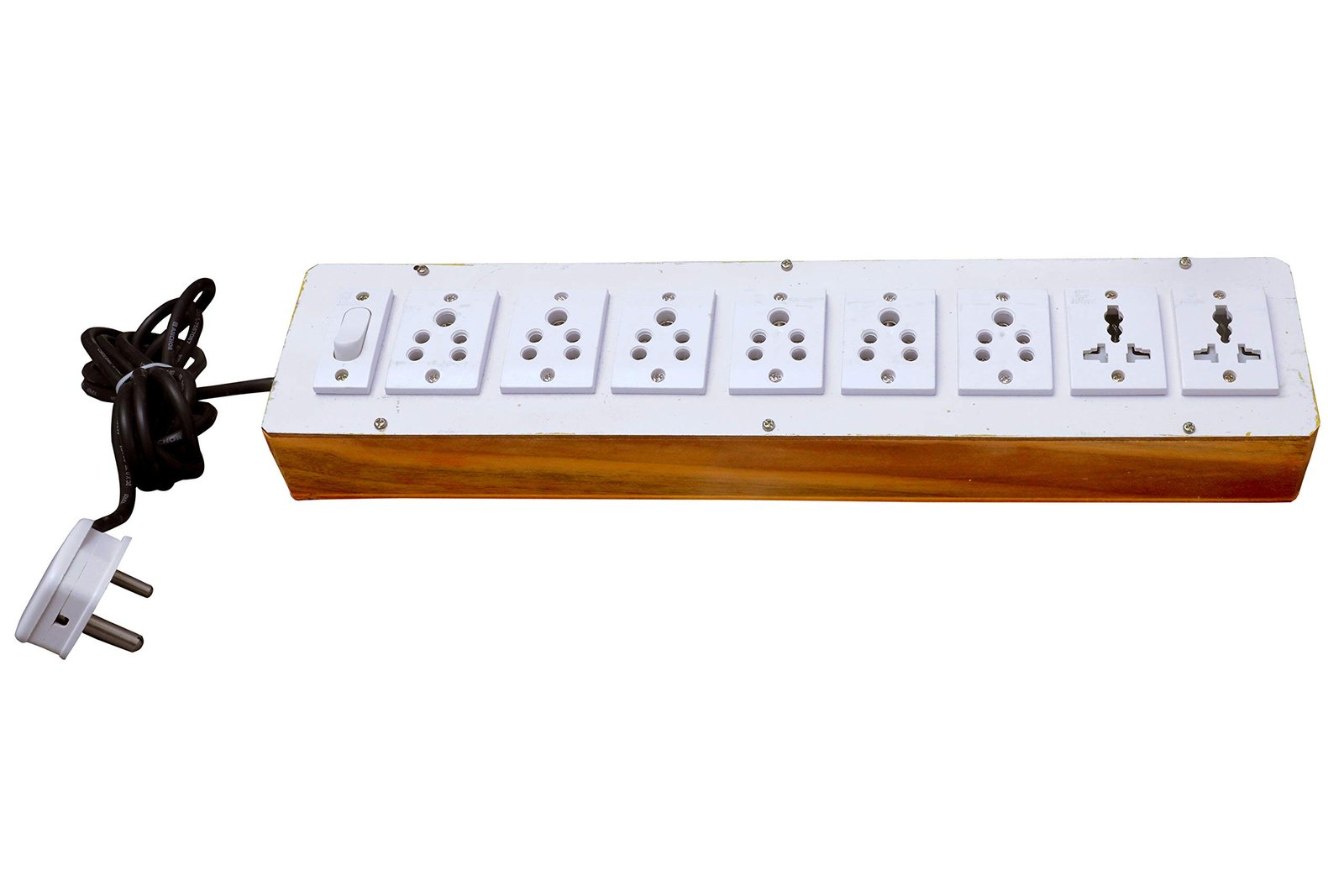
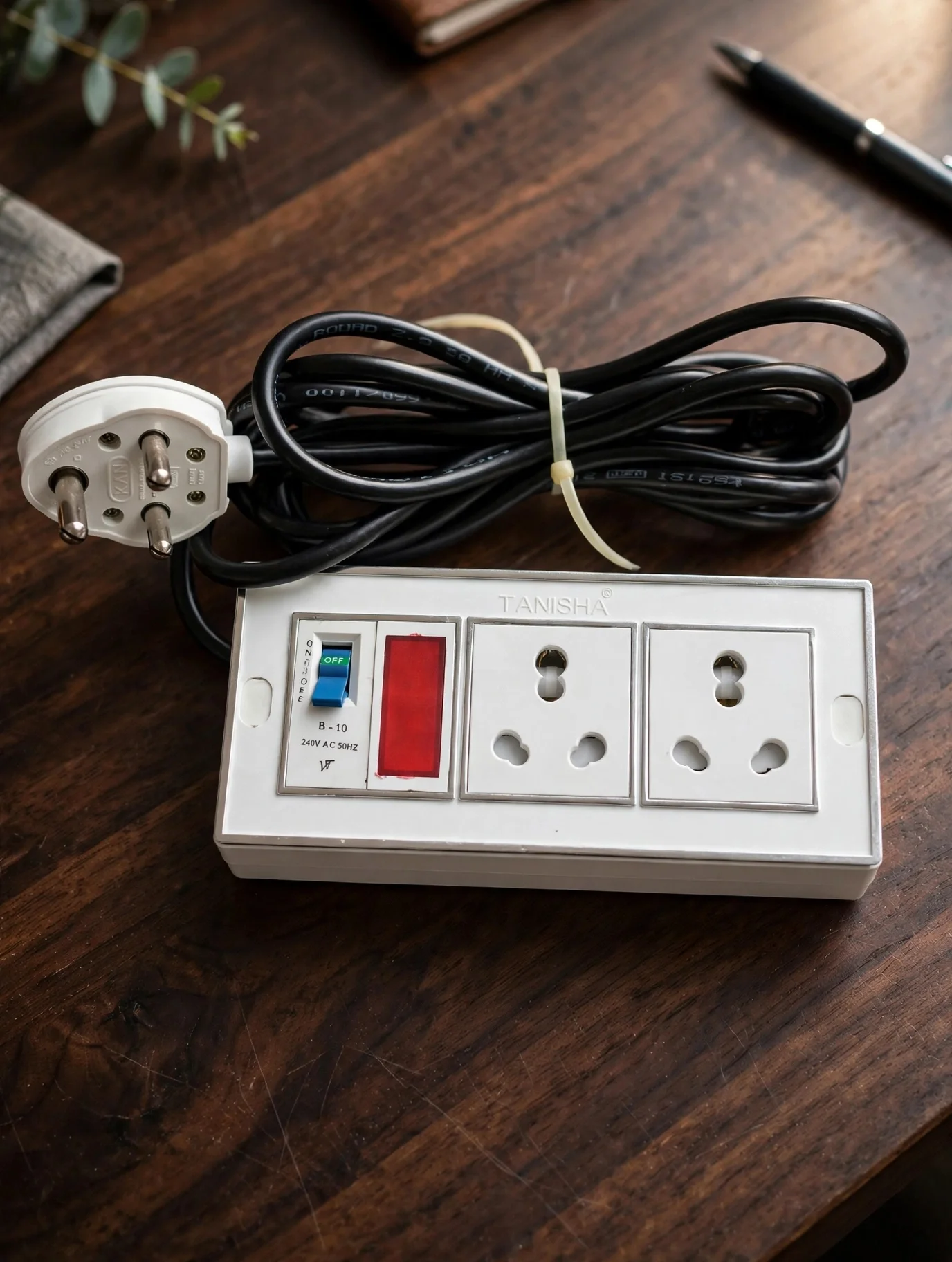
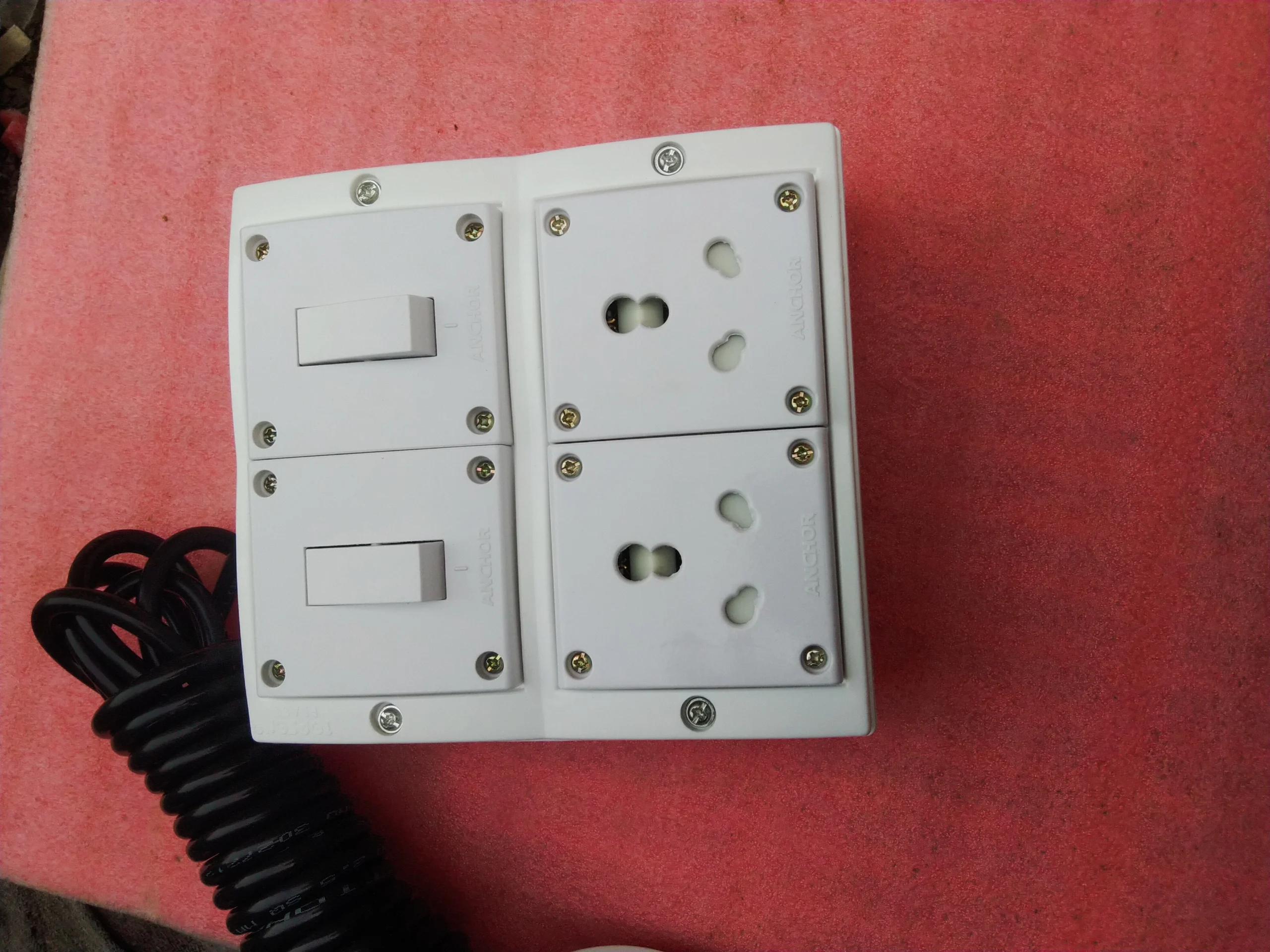
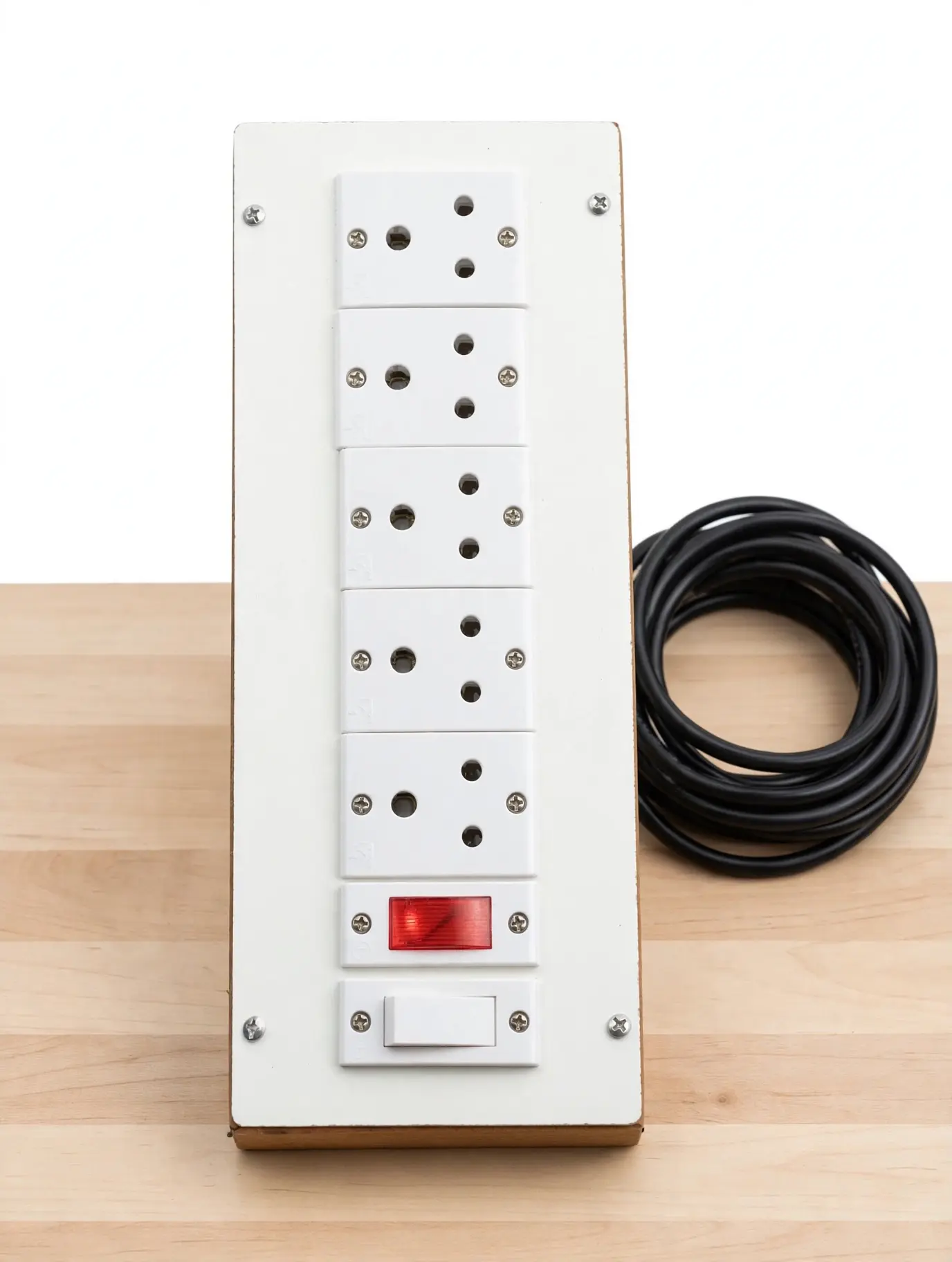
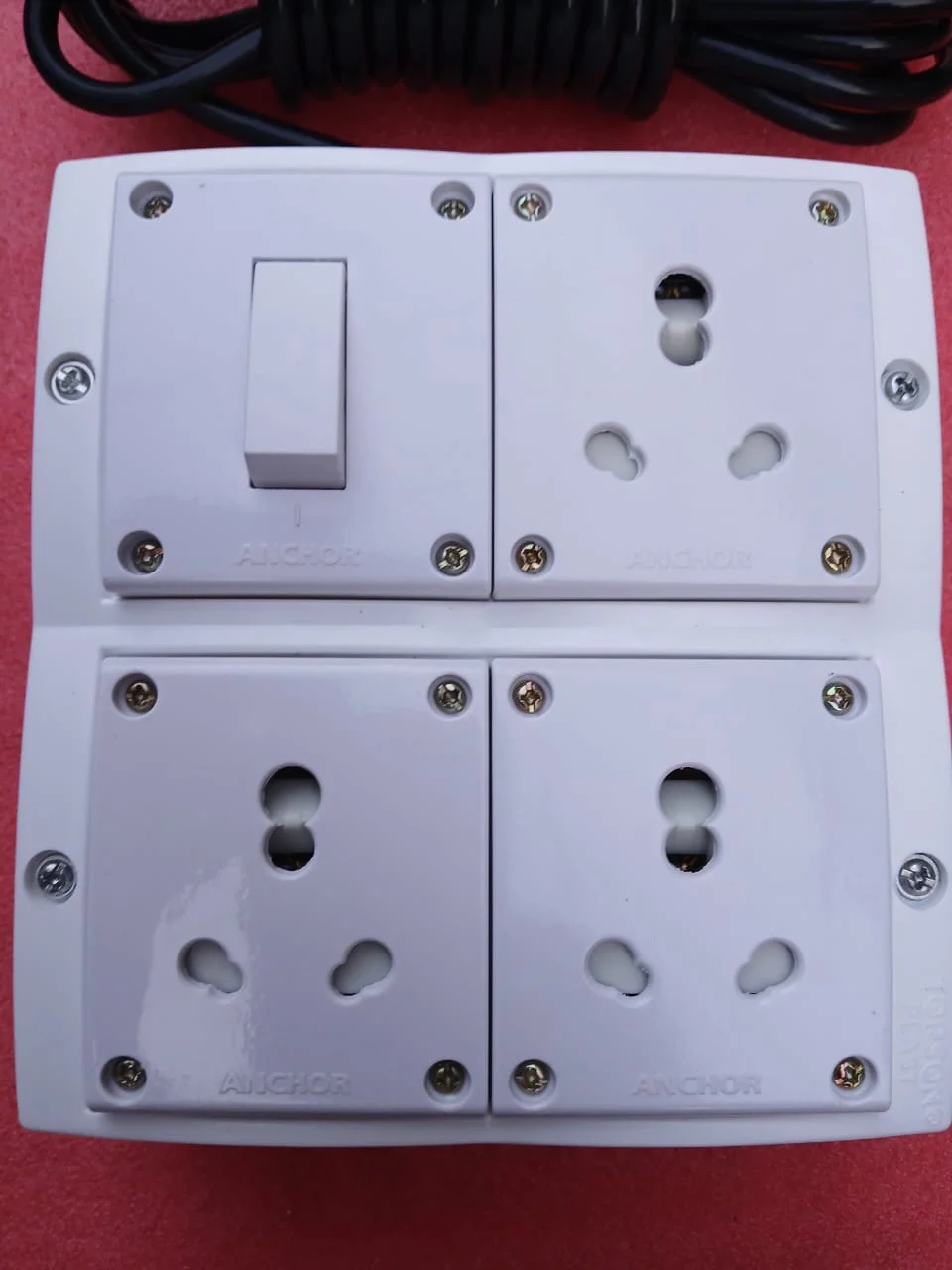
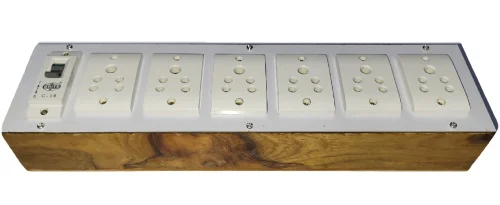
An extension board, also called a power strip or multi-socket extension board, is primarily designed to provide multiple electrical outlets from a single wall socket.
For example, if your wall outlet has only one socket but you need to connect a laptop charger, phone charger, monitor, and other equipment, an extension board can provide additional connection points.
Depending on the model, an extension board may include:
- Multiple sockets
- Master ON/OFF switch
- LED power indicator
- Safety shutters
- Fuse or circuit protection
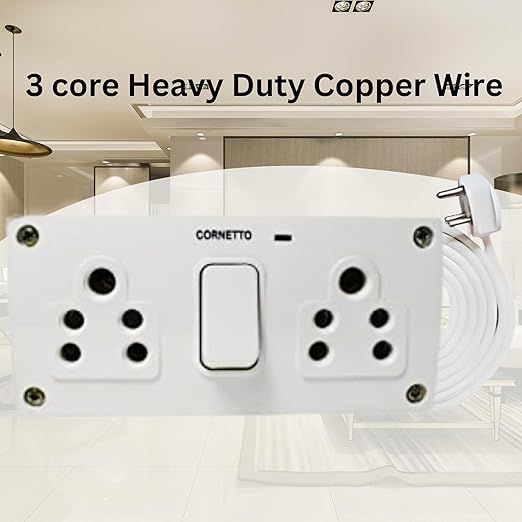
- Heavy-duty cable
- Copper wiring
- Different socket configurations
- USB charging ports
- Overload protection
- Surge protection
Not every extension board includes surge protection. Therefore, buyers should carefully check the product specifications before purchasing.
Surge Protector vs Extension Board
The biggest difference between the two is their primary purpose.
An extension board is mainly used to increase the number of available electrical outlets and provide convenient power distribution.
A surge protector provides multiple outlets while also incorporating components designed to reduce the impact of certain transient voltage surges.
In simple terms:
Extension Board = More Power Sockets
Surge Protector = More Power Sockets + Surge Protection
However, the actual protection level depends on the design and specifications of the product.
How Does a Surge Protector Work?
When the electrical supply is operating normally, the surge protection component remains in a condition that allows electricity to reach the connected equipment.
When a sudden voltage spike occurs, the protection component responds to the excessive voltage and provides a path for the transient energy to be diverted or clamped, helping reduce the voltage reaching connected devices.
After the surge passes, the device returns to its normal operating condition if the protective component has not been damaged.
Repeated or severe surges can eventually degrade surge protection components. Some surge protectors therefore include an indicator that shows whether protection is still active.
Common Causes of Electrical Surges
Electrical surges can occur for different reasons. Some common causes include:
1. Lightning
Lightning can create extremely high electrical energy. Even when lightning does not directly strike a building, nearby electrical activity can cause transient voltage disturbances.
2. Switching of Large Loads
Large motors, compressors, transformers, and industrial equipment can create electrical transients when they are switched on or off.
3. Power Grid Switching
Utility switching operations and changes within the electrical distribution network can sometimes create short-duration voltage disturbances.
4. Electrical Faults
Certain faults within an electrical installation can also cause abnormal voltage conditions.
Because the source and severity of a surge can vary, surge protection should be considered as one part of a broader electrical safety strategy.
Why Surge Protection Is Important for Electronics
Many modern electronic devices contain sensitive semiconductor components. These components can be affected by abnormal voltage conditions.
Devices that may benefit from appropriate surge protection include:
- Desktop computers
- Laptops and monitors
- Televisions
- Wi-Fi routers
- Network switches
- Printers
- Gaming consoles
- Audio equipment
- CCTV equipment
- Smart home devices
- Chargers and adapters
- Office electronics
A quality surge protector can provide an additional layer of protection against certain transient voltage events.
Extension Boards for Everyday Use
An ordinary extension board can be a practical solution when you simply need more sockets.
For example, a home office may need connections for a computer, monitor, printer, desk lamp, router, and charger. Instead of installing multiple wall outlets, an appropriately rated extension board can provide convenient access to power.
However, users should never exceed the rated current or power capacity of an extension board.
High-power appliances such as heaters, irons, kettles, ovens, and other heating equipment can draw substantial current. These appliances should only be connected to an extension board if the board is specifically rated and designed for that load.
Heavy-Duty Extension Boards
Heavy-duty extension boards are designed for applications requiring stronger construction, robust wiring, and higher load-handling capability.
Depending on the model, heavy-duty extension boards may feature:
- Thick copper cable
- Durable housing
- High-quality sockets
- Strong plug
- Master switch
- LED indicator
- Fuse or circuit protection
- Safety shutters
- Multiple socket configurations
The cable size and current rating are important specifications to consider. A 1.5 mm² copper cable, for example, should not automatically be assumed to be suitable for every application. The complete product design, connector rating, insulation, temperature conditions, and manufacturer’s specified load rating should be considered.
Features to Look for in a Surge Protector
When choosing a surge protector, look at more than just the number of sockets.
Surge Protection Rating
Check the manufacturer’s stated surge protection specifications. A higher rating can indicate greater energy-handling capability, but it should be evaluated alongside the overall design and certification.
Clamping Voltage
Clamping voltage refers to the voltage level at which the protection mechanism begins limiting a transient. A suitable specification depends on the electrical system and product design.
Response Time
A surge protection device should respond rapidly to transient voltage events. However, response time alone should not be used to judge the overall quality of a product.
Protection Indicator
Some surge protectors include an LED indicator that shows whether the surge protection circuit is operational.
Overload Protection
Some advanced extension boards and surge protectors include overload protection. This can add another layer of protection against excessive current.
Cable Quality
The cable is an important part of the product. Look for suitable conductor size, insulation quality, plug rating, and overall construction.
Safety Shutters and Child Safety
For homes, offices, and commercial environments, safety shutters can be an important feature. They help prevent accidental access to socket contacts when a plug is not inserted.
Families with children should pay particular attention to socket safety and use products designed according to applicable electrical safety standards.
Surge Protector Does Not Mean Unlimited Protection
One common misconception is that a surge protector can protect every connected device from every electrical problem.
This is not true.
A surge protector can help with certain transient voltage events, but it does not replace proper electrical installation, earthing, circuit protection, or professional electrical safety measures.
For locations with frequent electrical disturbances or lightning exposure, a complete protection strategy may involve service-entrance surge protection, proper earthing, circuit breakers, and other protective equipment installed by a qualified electrician.
How to Choose Between an Extension Board and Surge Protector
The right choice depends on your requirements.
Choose an Extension Board If:
- You primarily need additional sockets.
- You are connecting low- or moderate-power devices within the board’s rating.
- Surge protection is not required for the application.
- You need a convenient way to organize multiple connections.
Choose a Surge Protector If:
- You are connecting sensitive electronics.
- You want additional protection against transient voltage surges.
- Your equipment includes computers, networking devices, televisions, or other sensitive electronics.
- You want multiple sockets along with surge protection features.
Surge Protector vs Extension Board: Quick Comparison
| Feature | Extension Board | Surge Protector |
|---|---|---|
| Multiple sockets | Yes | Yes |
| Extends power access | Yes | Yes |
| Master switch | Often available | Often available |
| LED indicator | Often available | Often available |
| Surge protection | Not always | Yes |
| Suitable for electronics | Yes, when correctly rated | Yes, with additional surge protection |
| Overload protection | Model dependent | Model dependent |
| Safety shutter | Model dependent | Model dependent |
| Heavy-duty versions | Available | Available |
How to Use an Extension Board Safely
Always follow the manufacturer’s instructions and rated capacity.
Avoid Overloading
Do not connect more appliances than the extension board is designed to handle.
Avoid Connecting High-Power Appliances Without Checking the Rating
Before connecting a heater, microwave, iron, kettle, or similar appliance, verify that the extension board and cable are specifically rated for the required load.
Do Not Daisy-Chain Extension Boards
Connecting one extension board into another can increase the risk of overloading and poor connections. Use a suitably rated extension board with enough outlets instead.
Keep the Cable in Good Condition
Do not use an extension board if its cable is cut, damaged, overheated, or has exposed conductors.
Keep Connections Dry
Electrical extension boards should be kept away from water and wet environments unless specifically designed and rated for such conditions.
Why Copper Cable Matters
The conductor material and cable size influence an extension board’s electrical performance.
Copper is widely used in electrical cables because it offers good electrical conductivity and mechanical properties. A properly selected copper cable can help reduce resistance and heat generation under the intended load.
However, cable size should always match the product’s rated current and application. A larger cable does not automatically make every component of an extension board suitable for a higher load.
Surge Protection for Home Offices
Home offices often contain several sensitive devices in one location. A computer, monitor, printer, router, speakers, and chargers may all be connected around the same workspace.
A properly rated surge-protected extension board can provide convenient access to multiple outlets while adding protection against certain transient voltage events.
Cable management is another important consideration. Keep cables organized and avoid placing them where they can be crushed, damaged, or exposed to excessive heat.
Surge Protection for Entertainment Systems
Televisions, gaming consoles, sound systems, streaming devices, and networking equipment can represent a significant investment.
Using suitable surge protection can provide an additional layer of protection against transient electrical events. It can also help organize multiple power connections around an entertainment setup.
Surge Protection for Computers and Networking Equipment
Computers and networking devices contain sensitive electronic components. A surge-protected power solution can be particularly useful in environments where multiple electronic devices are connected.
For critical systems, users should consider a broader power protection strategy that may include a UPS, proper earthing, circuit protection, and professionally installed surge protection.
Importance of Proper Earthing
Surge protection should not be viewed separately from the electrical installation.
Proper earthing is an important part of electrical safety and can also play a role in the effective operation of certain surge protection systems.
If you experience frequent electrical problems, unusual voltage fluctuations, sparks, overheating, or repeated equipment failures, consult a qualified electrician rather than relying only on an extension board or plug-in surge protector.
How Long Does a Surge Protector Last?
The service life of a surge protector depends on its design, usage, and exposure to electrical surges.
A major surge can consume or degrade the protective components. Repeated smaller surges can also gradually reduce their effectiveness.
Replace a surge protector if:
- The protection indicator shows failure.
- The product has visible damage.
- The cable or plug is damaged.
- The housing has melted or overheated.
- There is a burning smell.
- The product has experienced a significant electrical event.
- The manufacturer recommends replacement after a specified period or event.
Buying Guide for Extension Boards
Before purchasing an extension board, consider the following:
- Number of sockets – Choose enough outlets for your devices.
- Current rating – Make sure it supports the intended electrical load.
- Cable size – Select a suitable cable for the rated application.
- Plug quality – Check the plug’s current rating and construction.
- Socket design – Look for secure and compatible sockets.
- Safety features – Consider shutters, fuse protection, overload protection, and indicators.
- Build quality – Durable materials are preferable for frequent use.
- Switch quality – A reliable master switch improves convenience.
- Certifications and standards – Prefer products that comply with applicable safety requirements.
- Brand and warranty – Choose a reliable manufacturer or seller.
Buying Guide for Surge Protectors
For surge protection, also check:
- Surge protection specifications
- Maximum load rating
- Maximum continuous operating voltage
- Clamping characteristics
- Surge energy rating where specified
- Protection indicator
- Overload protection
- Cable specifications
- Plug and socket ratings
- Applicable safety certifications
- Warranty and manufacturer support
Avoid choosing a surge protector only because it has a large number of sockets or a low price. Electrical protection products should be selected based on their actual specifications and intended application.
Conclusion
Surge protectors and extension boards may look similar, but they serve different primary purposes. An extension board provides additional electrical outlets, while a surge protector combines multiple outlets with protection designed to reduce the effects of certain transient voltage surges.
For basic power distribution, a properly rated extension board may be sufficient. For computers, televisions, networking equipment, gaming systems, and other sensitive electronics, a suitable surge-protected solution can provide an additional layer of protection.
Regardless of which product you choose, always check the current and power rating, use the product according to the manufacturer’s instructions, avoid overloading, and maintain a safe electrical installation.
Choosing the right electrical accessories is not only about convenience—it is also about safety, reliability, and protecting valuable equipment.